Table Of Content

Don’t use anyone else’s razor, and shave the hair in the direction of its growth. Finish up by rubbing your skin with an ice cube to close pores. There are plenty of ways to care for your pubic hair. Shaving is a relatively inexpensive hair removal option with low overhead and storage. Folliculitis is the inflammation or infection of hair follicles.
Removing pubic hair does come with some risks.
The short answer is no, it is not necessary to do anything to your pubic hair. We’ve got answers to these and many other questions in this article by Flo. The discharge notice makes no mention of the gun that Kwong, a volunteer deputy sheriff, had allegedly carried in the operating room and other parts of the hospital, according to a lawsuit filed by colleagues in October. The notice does say that he violated county policy by bringing a personal knife into the operating room on at least one occasion. Pubic hair also protects those sensitive areas from outside bacteria and overheating.

Why does pubic hair grow to a certain length while head hair keeps growing?
I only really feel a need to do that before engaging in some intimate times or something where I want to feel really sexy. The rest of the time I just sort of let things grow as they will. If your partner or someone close to you is pressuring you to do something to your pubes you’re uncomfortable with, let them know. It’s your body, and no one besides your doctor (and only when something is threatening your health!) should ever tell you what to do with them. Starting at the highest point on your pubic region where you want to groom, place a fine-toothed comb at the hair root flat against your skin.
Waxing and threading
Orphan Natalia Grace Responds to Adoptive Parents' Pubic Hair, Period Claims - TooFab
Orphan Natalia Grace Responds to Adoptive Parents' Pubic Hair, Period Claims.
Posted: Thu, 28 Dec 2023 08:00:00 GMT [source]
… Counterintuitively this stress came from somebody within my own community. I think not shaving made me feel a lot more confident in myself, because when you do shave all the time...you feel like you’re putting on a show for something. Now that I just have hair everywhere, I’m not as worried about my image as much.
Your bush is going to look different than one online or in the locker room — like the rest of your hair, genes and overall health play a role in hair growth and quality. These methods are perfectly safe when done by a trained professional, but if done improperly, can cause some uncomfortable side effects, including redness, irritation, and ingrown hairs. Waxing is done by applying strips of warm wax to a hairy surface and pulling hairs out from their follicles. Waxing is a good alternative to shaving because it typically results in less itchiness when the hair starts growing back. You can also go completely bare, if that’s your choice.
A 2017 study based on data from the same nationally representative 2013 survey cited above reported that 25.6 percent of groomers sustained injuries during or after hair removal. In a nationally representative 2013 survey of 7,580 people, 59 percent of women and 61 percent of men who groomed their pubic hair reported doing so for hygienic purposes. If you choose waxing or sugaring, go to a licensed professional with lots of experience. Watch that they follow hygiene practices (no double-dipping with the applicator, for example). If you’re worried about the pain, it’s OK to take an over-the-counter pain reliever before you go. But don’t apply numbing cream to your skin beforehand—if you get burned, you want to be able to feel it.
Shaving with a razor is the most popular method of wrangling those wiry hairs. Always start with a clean, sharp blade to avoid infection, irritation, and nicks. If you’ve got a long, thick thatch going on, cut the hair to about a quarter inch. You’ll also gain a better view of your skin and direction of hair growth, which will help prevent accidents. There are various reasons why people might decide to remove their pubic hair, but a lot of them are rooted in sexual health myths. According to one 2017 study, pubic hair may help reduce the risk of contracting a sexually transmitted infection (STI).
The Inverted Triangle
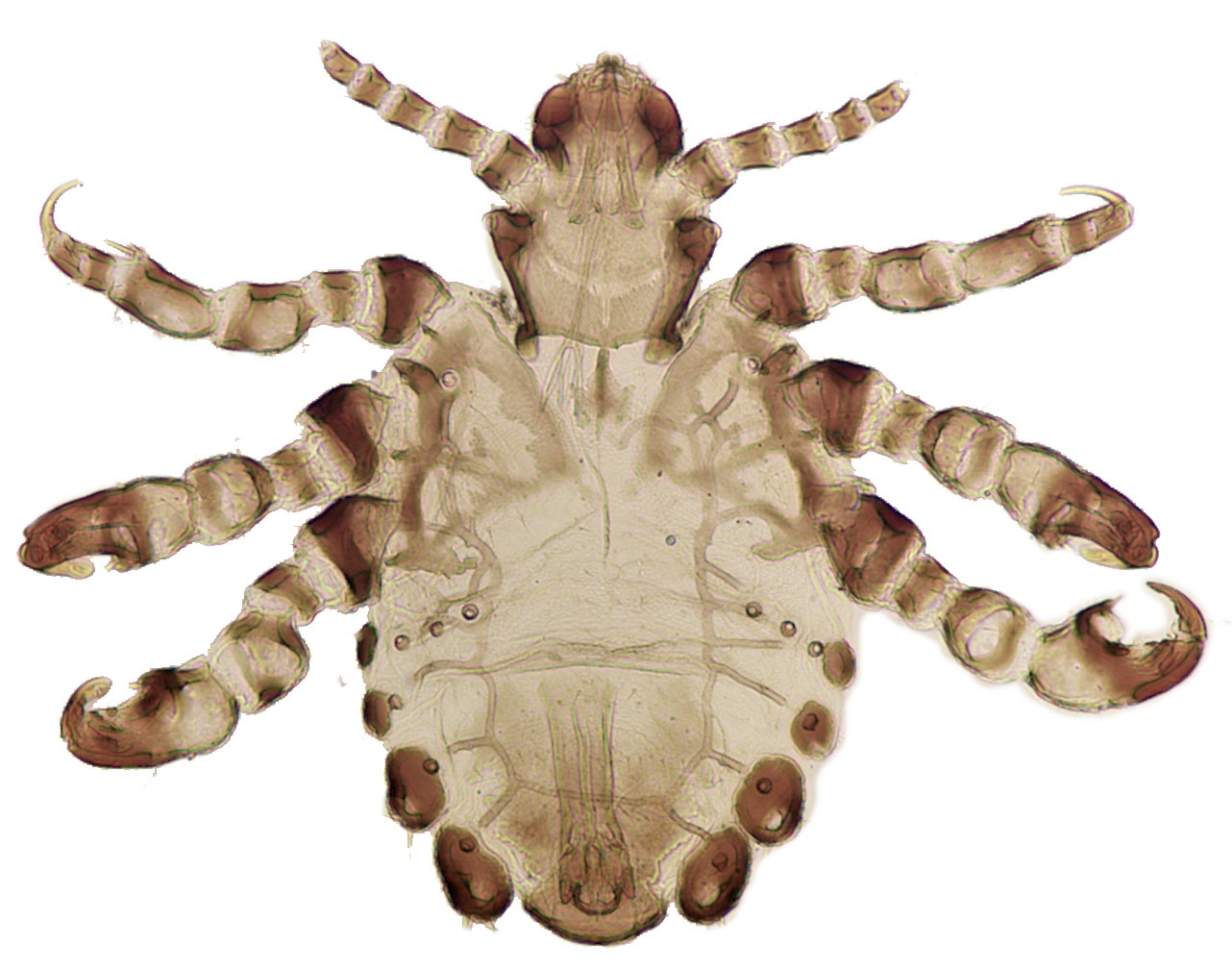
Some women will naturally grow thicker or thinner hair than others, so typically there’s no cause for alarm when there’s slight variation. There’s no right or wrong way to handle your pubic hair. Stats show that men are split right down the middle when it comes to pube grooming, so it’s really all about personal preference. Even if you’re careful, it’s not uncommon to get rashes, bumps, or ingrown hairs on your pubic area, especially if you shave. But for one young couple in Alabama, the term “precocious puberty” hardly does justice to what they were observing with their infant son a few years ago. Imagine changing your six-month-old’s diapers and noticing what appears to be a tuft of light-colored pubic hair on his groin.
Below, read all about some of the most popular styles and the best products to help you achieve your pubic hair goals. Also, limited evidence suggests that removing the pubic hair can increase the risk of STIs. However, further research is necessary to determine whether or not removing the pubic hair increases this risk. There are some things you can do to reduce your risk of an injury or infection during and after grooming your pubes. Hair removal can also irritate your skin, leading to skin infections such as cellulitis and folliculitis. For others, partner preferences drive their grooming habits.
Surely there are a host of reasons why people might opt to shave their pubic hair, however, or attempt to promote pubic hair removal. For example, many individuals are put off by the idea of cunnilingus or fellatio because of those pesky pubic hairs that can lodge inadvertently in their gratifying throats. This was the theme of an episode from Larry David’s Curb Your Enthusiasm , where Larry had to embarrassingly explain this bothersome tickle to a rather serious-faced doctor. I’m not a big fan of shaving your pubic hair because it can hurt sensitive skin, leading to rashes, ingrown hairs, and infection. If you choose to shave, use a new, clean razor every time, as used razors can carry bacteria.
Relationship status and sexual orientation made little difference. If intertrigo causes an infection, there may be tender, pus-filled bumps on the skin along with fever and a foul smell. Scabies can be transmitted by skin-to-skin contact, often during sex.
There are internal and external factors that could cause the body to produce excess body hair. Genetics, autoimmune conditions, and even prescription medication side effects can cause hair to grow more rapidly. In a follow-up study, the same researchers used the same data set to explore the links, if any, between pubic presentation and women’s sexuality. Folliculitis can often be treated with antibacterial soap and moisturizers.




No comments:
Post a Comment